Who Gets the Keys When the Founder Goes Quiet

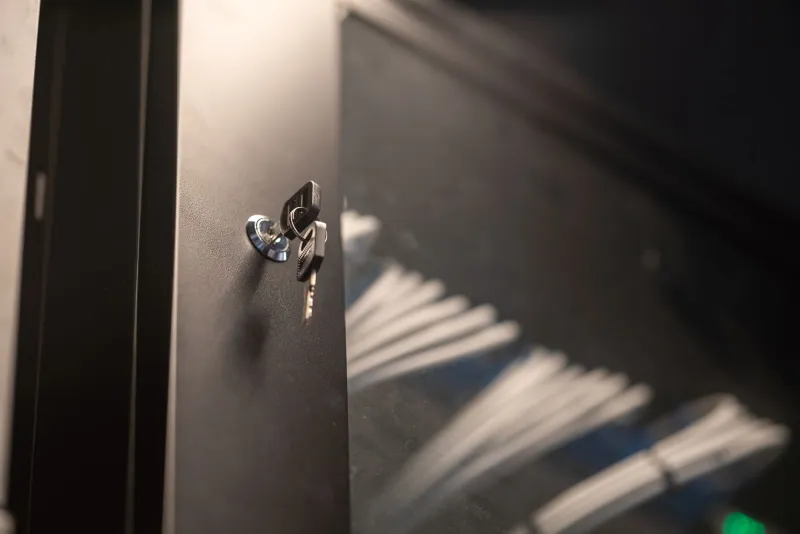
Photo: empty moderator desk with old computer monitor in dim room, via thedesigncure.com
Picture a birdwatching forum that's been running since 2009 out of somebody's spare room in Ohio. The admin built it, paid the hosting, wrote the rules, and answered every email about broken image uploads for over a decade. Then, one spring, they stopped. Their last post read: "Going to be offline for a while, will check in." That was two years ago. The site still loads. The forum is frozen in read-only mode. The sandhill crane threads sit there like furniture in a house nobody lives in anymore.
This is one of the most common shapes a small platform takes, and almost nobody plans for it. We talk endlessly about growth, monetization, and the moment a community "makes it." We spend almost no time on the moment the person who runs it steps away. But for niche forums, Discord servers, and half-forgotten message boards, that moment is the whole ballgame.
The Vacuum Has a Schedule
When a founder disappears without a plan, the decline follows a fairly predictable rhythm. First comes confusion—a few regulars notice the mod queue is piling up and start asking in the general channel. Then comes improvisation: someone volunteers to handle spam, someone else starts a backup server "just in case," and the community runs on goodwill for a few months.
Then comes the split. Not always a dramatic one. Often it's quieter than that—a handful of the most active members drift to a new space, the old one keeps its history but loses its pulse, and eventually you have two half-communities where there used to be one whole one. Both are worse than the original. Neither is bad enough to close.
The Succession Fight Nobody Planned For
The ugly version involves ownership disputes. Someone has the domain, someone else has the server credentials, a third person owns the Discord and has gone inactive themselves. Nobody can change the rules, nobody can appoint new moderators, and the community is stuck with a governance structure designed by one person for a moment that no longer exists.
Founders rarely do this out of vanity. It's just that handing off access feels like admitting you might not come back, and most people who build these spaces assume they'll always be around. So credentials live in one head. The hosting bill runs through one card. The unwritten cultural rules—the stuff about which jokes land and which don't—live nowhere at all.
The Dead Hand Problem
There's a term from politics worth borrowing here. A "dead hand" is a rule that keeps operating long after the person who made it has any idea what's happening on the ground. Small communities are full of them.
The founder wrote the server rules in 2017 for a group of forty people. Now there are two thousand, the subject matter has shifted, and the rules are being enforced literally by moderators who never met the person who wrote them. Nobody has the authority to update the thing. The community isn't governed by a founder anymore—it's governed by a founder's fossilized opinions.
That's the real cost of not planning for absence. Not that the server dies. That it becomes a museum of a decision made by someone who isn't there to defend it or revise it.
Quiet Stewardship Is the Good Ending
The healthiest version looks almost boring. Someone takes over who doesn't want to be a personality. They don't rebrand, don't announce a new era, don't post a manifesto. They just pay the bill, clear the queue, appoint two more moderators, and keep the lights on.
I've seen this work best when the handoff was planned while the founder was still active: a documented moderator process, a shared credential vault, a written statement of what the community is for, and—crucially—permission for the next person to change it. Some founders go further and set up a dead man's switch: if they don't check in for ninety days, a prearranged group gets the keys automatically. It's unglamorous infrastructure. It's also the difference between a community surviving a founder's absence and a community becoming an archive of one.
Others choose the sunset clause on purpose. If the community can't outlive the founder, they say so up front and plan a graceful read-only ending. That's not failure. That's honesty.
Plan for the Empty Chair, Not the Crowd
The instinct for anyone running a small platform is to think about growth. How do we get more members, more posts, more activity? But the question that actually determines whether a community lasts is much less exciting: what happens when the person holding the door open isn't there anymore?
If the answer is "everything falls apart," you don't have a community. You have a hobby with an audience. The difference is whether anyone thought to write down where the keys are.