Selling Raw: How the Internet Turned Unfiltered Into a Price Tag
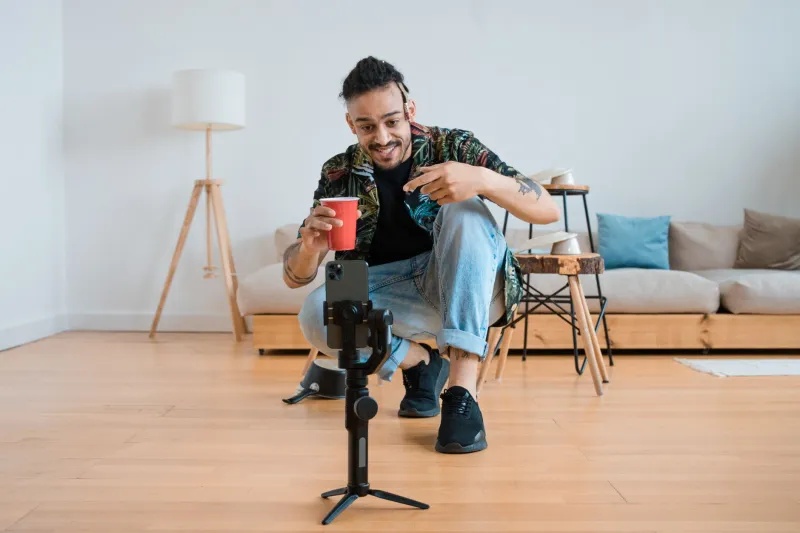
Somewhere between the rise of BeReal and YouTube's ongoing push to surface "authentic" short-form footage, a quiet transaction happened. The internet decided that unpolished was the new premium. And then, almost immediately, it started charging for it.
This is not a small thing. For about a decade, the entire creator economy ran on a pretty simple promise: be yourself, build an audience, monetize the attention. Authenticity was the input, not the product. Now the platforms have figured out that the appearance of authenticity — the rough cut, the candid moment, the community that feels like it hasn't been touched by a marketing team — is itself something people will pay for. And that realization has quietly broken something.
The Feature That Sells You "Real"
Look at what Discord has been doing with its premium tier offerings. Nitro isn't just about better emoji or higher upload limits anymore. A significant part of the pitch is about depth — private servers, tighter communities, spaces that feel curated in a way that big public platforms don't. The implicit promise is intimacy. You're not paying for bandwidth. You're paying to be in a room where people actually mean what they say.
YouTube has been doing a version of this too, just louder. The algorithm has been visibly rewarding less-produced content in certain categories — the "talking to a camera in my car" genre didn't survive this long by accident. And YouTube Premium, whatever its stated benefits, also functions as a way to get closer to creators without the noise. No ads means fewer interruptions between you and the supposedly unfiltered version of whoever you're watching.
TikTok's whole architecture is built on the aesthetic of the accidental. Shaky camera work, ambient noise, awkward pauses — these aren't bugs the platform tolerates. They're signals it actively amplifies because they perform better. The rawness is a format now. It has been for a while.
The Paradox Nobody Wants to Say Out Loud
Here's the thing about commodifying authenticity: it doesn't survive the process.
The moment a creator learns that unpolished content performs better, they start performing unpolished. The hesitation before the punchline gets calculated. The messy background becomes a set. The "I wasn't going to post this" caption becomes a hook. None of this is cynical, exactly — it's just how incentive structures work. You optimize for what gets rewarded. But the optimization destroys the thing that was supposedly being rewarded in the first place.
This isn't a new observation. People have been pointing at this cycle since at least the early Instagram era when "no filter" became its own highly filtered aesthetic. What's different now is that the platforms aren't just accidentally incentivizing fake authenticity — they're building business models around it. They're selling access to realness as a feature while simultaneously creating every structural reason for that realness to be manufactured.
Who Actually Benefits From This
Not the audience, mostly. The average person subscribing to a Discord server's premium tier or paying for a creator's Patreon because the free content felt too produced — they're chasing something that tends to recede the closer you get to it. The "real" version of a creator you find behind a paywall is still a version that person chose to show you. It's curated intimacy, which is a contradiction that most people feel but can't quite name.
The platforms benefit enormously. They've found a way to monetize the exact quality that makes people distrust platforms. Cynicism about polish and production? Great, here's a product that looks less polished. Frustration with algorithmic curation? Here's a community that feels hand-picked. The critique becomes the upsell.
Some creators benefit, at least in the short term. The ones who are actually good at performing vulnerability — and there are real skills involved in that, even when it's genuine — can build loyal, paying audiences faster than almost any other approach right now. But the shelf life is uncertain. Audiences eventually develop a sensitivity to manufactured rawness, the same way they developed a sensitivity to over-produced content. The cycle turns.
What Gets Lost in the Transaction
The thing worth mourning here isn't authenticity itself — that word has been so thoroughly laundered that it barely means anything anymore. What gets lost is something more specific: the accidental.
The early internet had a lot of genuinely accidental content. Stuff that existed because someone wanted to put it somewhere, not because a platform's engagement metrics suggested it would perform. Forum posts that went deep on something niche because the person writing them just really cared, not because they were building a brand. Blogs that updated irregularly because the writer had something to say, not because they were maintaining a posting schedule.
That stuff still exists, but it lives further from the surface than it used to. And the further the platforms push their "authentic" premium tiers, the harder it gets to find the genuinely accidental stuff underneath all the performed accident.
Eriodhef exists somewhere in that gap — the space between the algorithmic surface and whatever's still happening without a business model attached to it. That gap is getting narrower. Not because people stopped caring about real things, but because the infrastructure for finding real things keeps getting bought up and repackaged.
The Honest Version of This
If you're a creator reading this, the honest version is probably: you can't opt out of the incentive structure, but you can be clear-eyed about what you're doing inside it. Performing authenticity isn't automatically bad. Theater is a legitimate art form. The problem is pretending the theater isn't happening.
If you're an audience member, the honest version is: the feeling that something is real is not the same as it being real, and you've probably always known that. The question is whether the feeling is worth paying for on its own terms, separate from whatever truth might or might not be underneath it.
And if you're a platform, well. You already know what you're doing. The checkout button is right there.